An eye-opening account of how the hidden rise of personalization on the Internet is controlling – and limiting – the information we consume.
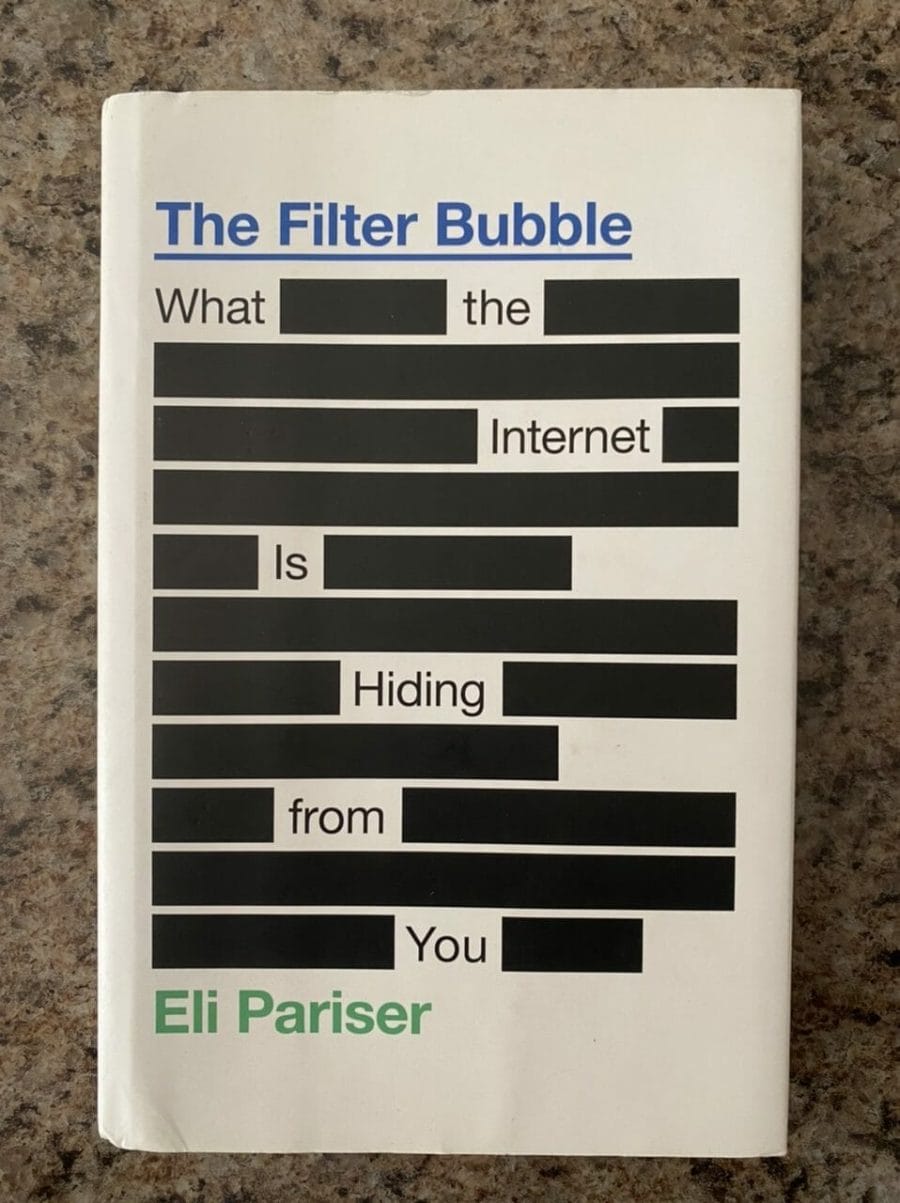
In December 2009, Google began customizing its search results for each user. Instead of giving you the most broadly popular result, Google now tries to predict what you are most likely to click on. According to MoveOn.org board president Eli Pariser, Google’s change in policy is symptomatic of the most significant shift to take place on the Web in recent years – the rise of personalization. In this groundbreaking investigation of the new hidden Web, Pariser uncovers how this growing trend threatens to control how we consume and share information as a society-and reveals what we can do about it.
Though the phenomenon has gone largely undetected until now, personalized filters are sweeping the Web, creating individual universes of information for each of us. Facebook – the primary news source for an increasing number of Americans – prioritizes the links it believes will appeal to you so that if you are a liberal, you can expect to see only progressive links. Even an old-media bastion like “The Washington Post” devotes the top of its home page to a news feed with the links your Facebook friends are sharing. Behind the scenes a burgeoning industry of data companies is tracking your personal information to sell to advertisers, from your political leanings to the color you painted your living room to the hiking boots you just browsed on Zappos.
In a personalized world, we will increasingly be typed and fed only news that is pleasant, familiar, and confirms our beliefs – and because these filters are invisible, we won’t know what is being hidden from us. Our past interests will determine what we are exposed to in the future, leaving less room for the unexpected encounters that spark creativity, innovation, and the democratic exchange of ideas.
While we all worry that the Internet is eroding privacy or shrinking our attention spans, Pariser uncovers a more pernicious and far-reaching trend on the Internet and shows how we can – and must – change course. With vivid detail and remarkable scope, The Filter Bubble reveals how personalization undermines the Internet’s original purpose as an open platform for the spread of ideas and could leave us all in an isolated, echoing world.
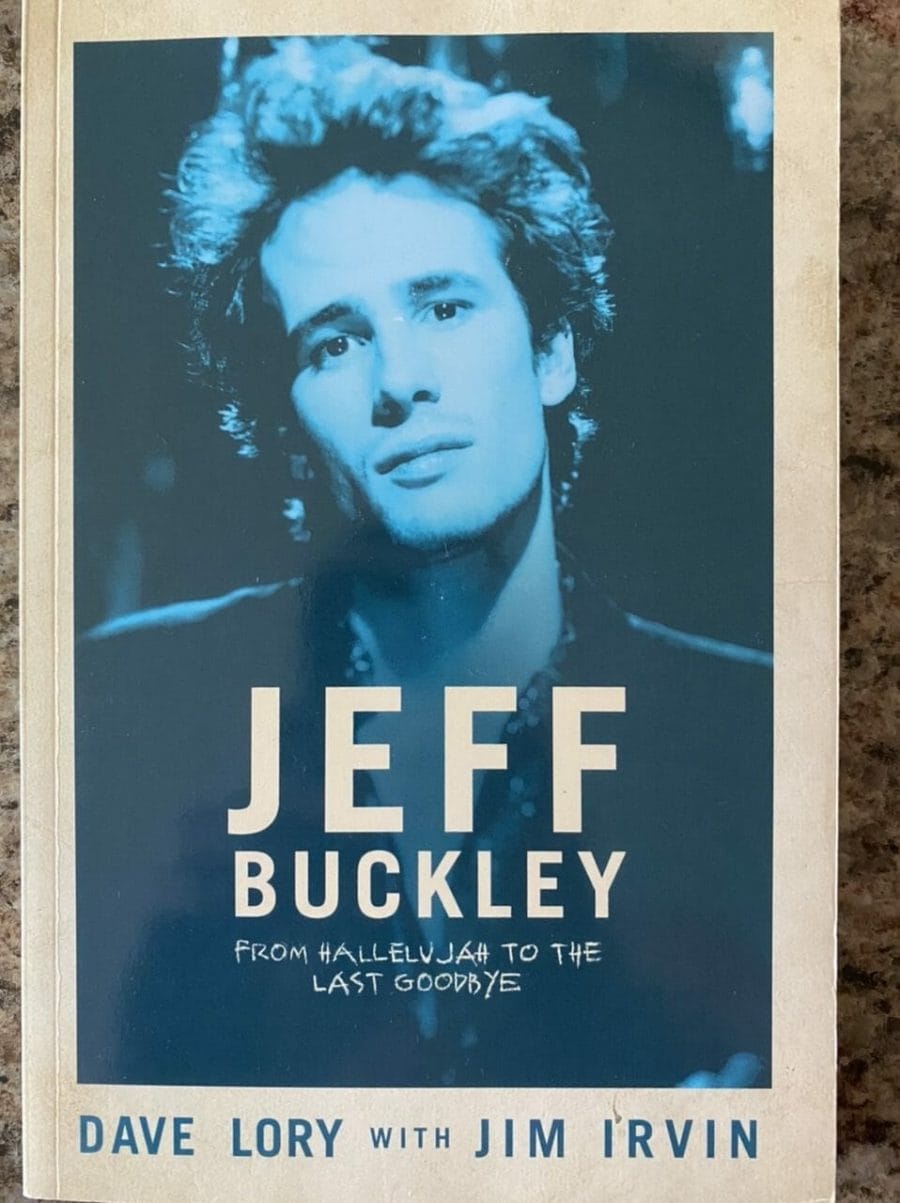
The definitive book on iconic cult hero Jeff Buckley, the singer who made just one record but inspired a generation of rock musicians. Written by his manager Dave Lory, Jeff Buckley includes interviews with others who worked closely with him who have never spoken before.
For the first time since Jeff Buckley’s untimely death on May 29, 1997, his manager Dave Lory reveals what it was like to work with one of rock’s most celebrated and influential artists. Go on the road and behind the scenes with Jeff, from the release of his debut EP Live at Sin-é to the second album Buckley never completed.
Jeff Buckley includes testimony from the many people who worked closely with Jeff both on and off stage and includes never-before-shared intimate scenes that only Lory witnessed, including what went down immediately after Lory got that fateful call, “Jeff is missing.”
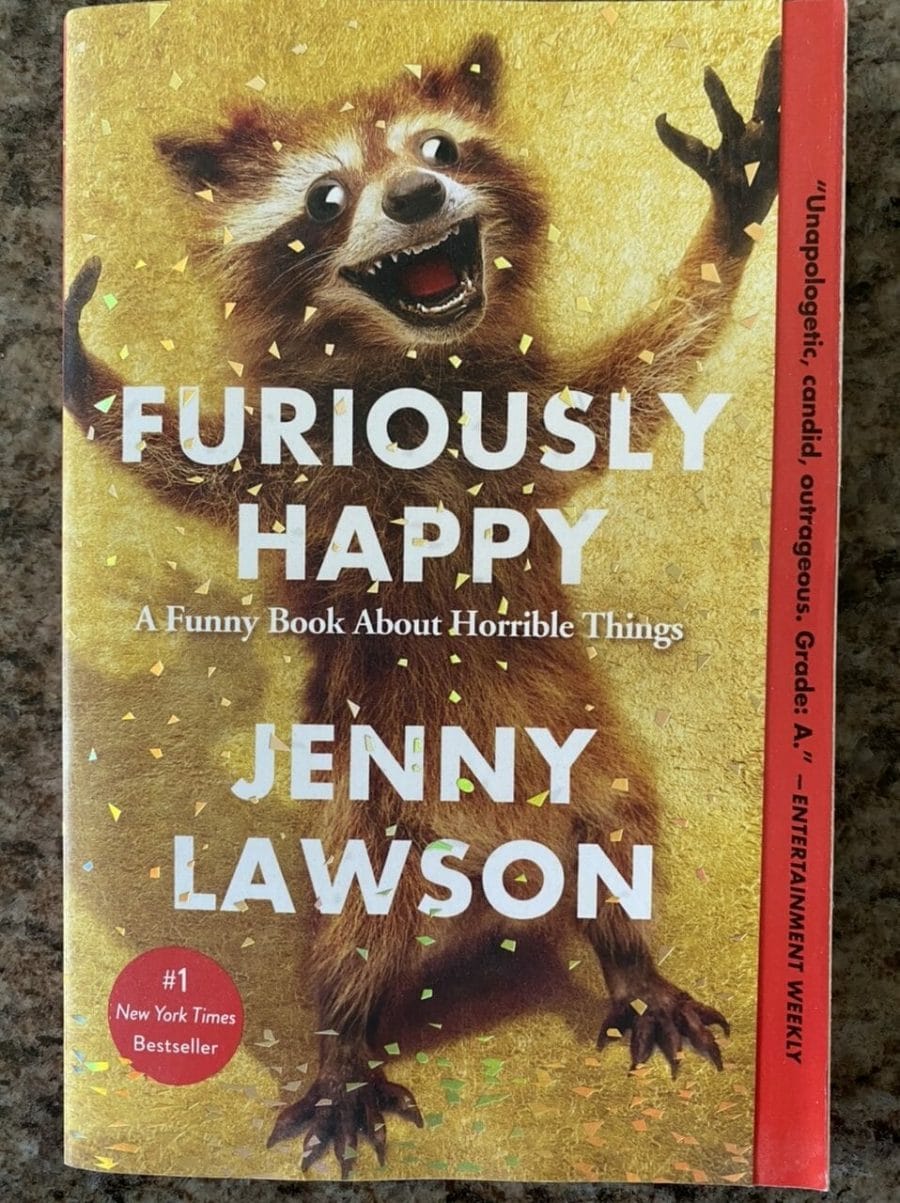
In Furiously Happy, a humor memoir tinged with just enough tragedy and pathos to make it worthwhile, Jenny Lawson examines her own experience with severe depression and a host of other conditions, and explains how it has led her to live life to the fullest:
“I’ve often thought that people with severe depression have developed such a well for experiencing extreme emotion that they might be able to experience extreme joy in a way that ‘normal people’ also might never understand. And that’s what Furiously Happy is all about.”
Jenny’s readings are standing room only, with fans lining up to have Jenny sign their bottles of Xanax or Prozac as often as they are to have her sign their books. Furiously Happy appeals to Jenny’s core fan base but also transcends it. There are so many people out there struggling with depression and mental illness, either themselves or someone in their family—and in Furiously Happy they will find a member of their tribe offering up an uplifting message (via a taxidermied roadkill raccoon). Let’s Pretend This Never Happened ostensibly was about embracing your own weirdness, but deep down it was about family. Furiously Happy is about depression and mental illness, but deep down it’s about joy—and who doesn’t want a bit more of that?
Referring to the defensive moves that white people make when challenged racially, white fragility is characterized by emotions such as anger, fear, and guilt and by behaviors including argumentation and silence. These behaviors, in turn, function to reinstate white racial equilibrium and prevent any meaningful cross-racial dialogue. In this in-depth exploration, anti-racist educator Robin DiAngelo examines how white fragility develops, how it protects racial inequality, and what can be done to engage more constructively.
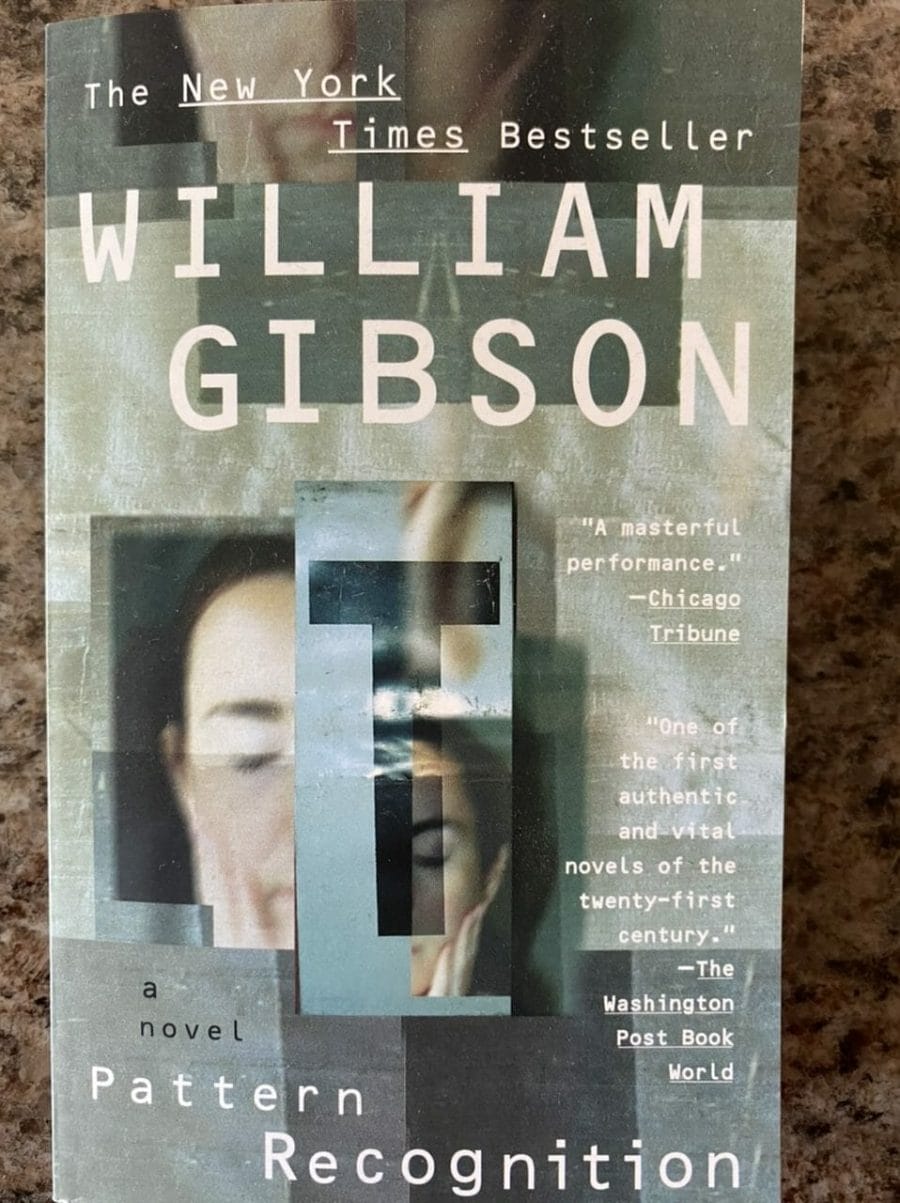
Cayce Pollard is an expensive, spookily intuitive market-research consultant. In London on a job, she is offered a secret assignment: to investigate some intriguing snippets of video that have been appearing on the Internet. An entire subculture of people is obsessed with these bits of footage, and anybody who can create that kind of brand loyalty would be a gold mine for Cayce’s client. But when her borrowed apartment is burgled and her computer hacked, she realizes there’s more to this project than she had expected.
Still, Cayce is her father’s daughter, and the danger makes her stubborn. Win Pollard, ex-security expert, probably ex-CIA, took a taxi in the direction of the World Trade Center on September 11 one year ago, and is presumed dead. Win taught Cayce a bit about the way agents work. She is still numb at his loss, and, as much for him as for any other reason, she refuses to give up this newly weird job, which will take her to Tokyo and on to Russia. With help and betrayal from equally unlikely quarters, Cayce will follow the trail of the mysterious film to its source, and in the process will learn something about her father’s life and death.
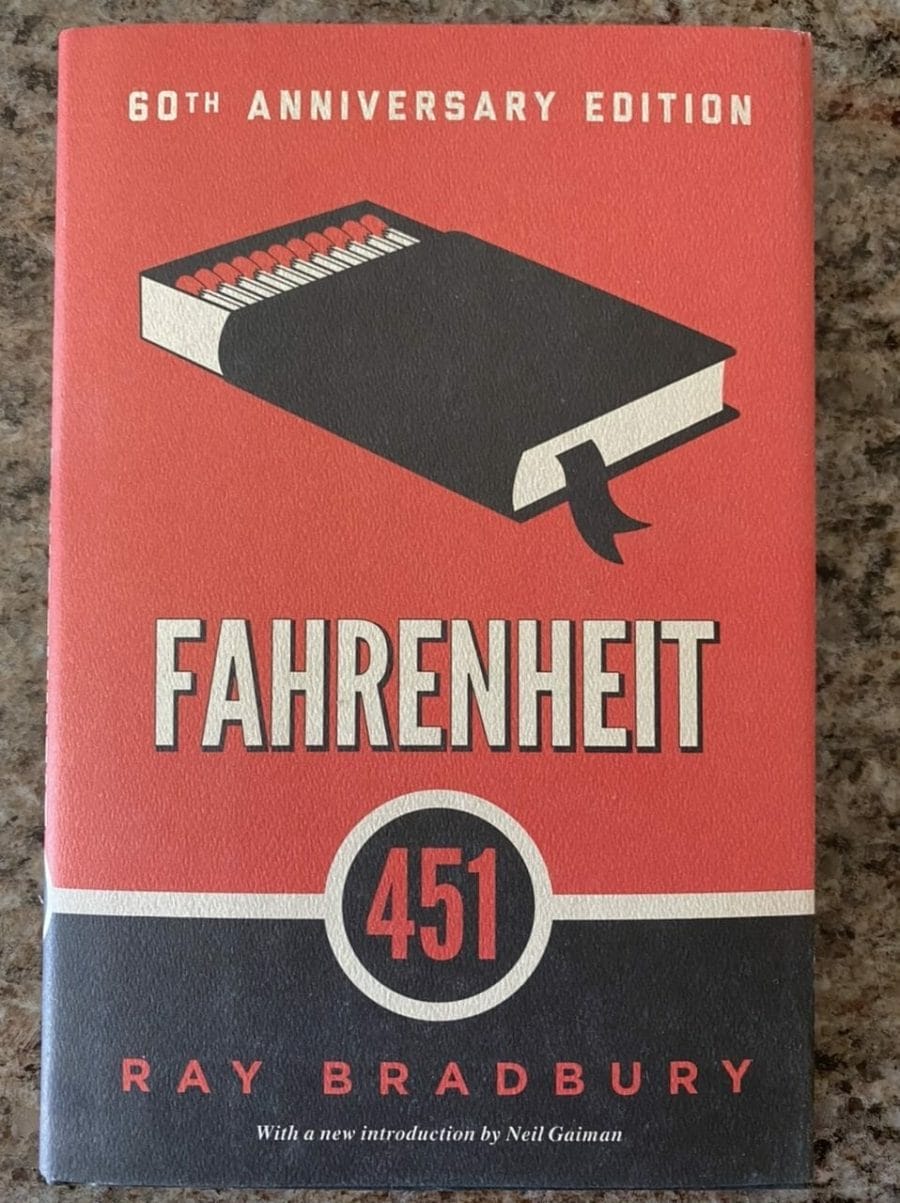
Ray Bradbury’s internationally acclaimed novel Fahrenheit 451 is a masterwork of twentieth-century literature set in a bleak, dystopian future.
Ray Bradbury’s internationally acclaimed novel Fahrenheit 451 is a masterwork of twentieth-century literature set in a bleak, dystopian future.
Guy Montag is a fireman. In his world, where television rules and literature is on the brink of extinction, firemen start fires rather than put them out. His job is to destroy the most illegal of commodities, the printed book, along with the houses in which they are hidden.
Montag never questions the destruction and ruin his actions produce, returning each day to his bland life and wife, Mildred, who spends all day with her television “family.” But then he meets an eccentric young neighbor, Clarisse, who introduces him to a past where people didn’t live in fear and to a present where one sees the world through the ideas in books instead of the mindless chatter of television.
When Mildred attempts suicide and Clarisse suddenly disappears, Montag begins to question everything he has ever known. He starts hiding books in his home, and when his pilfering is discovered, the fireman has to run for his life.
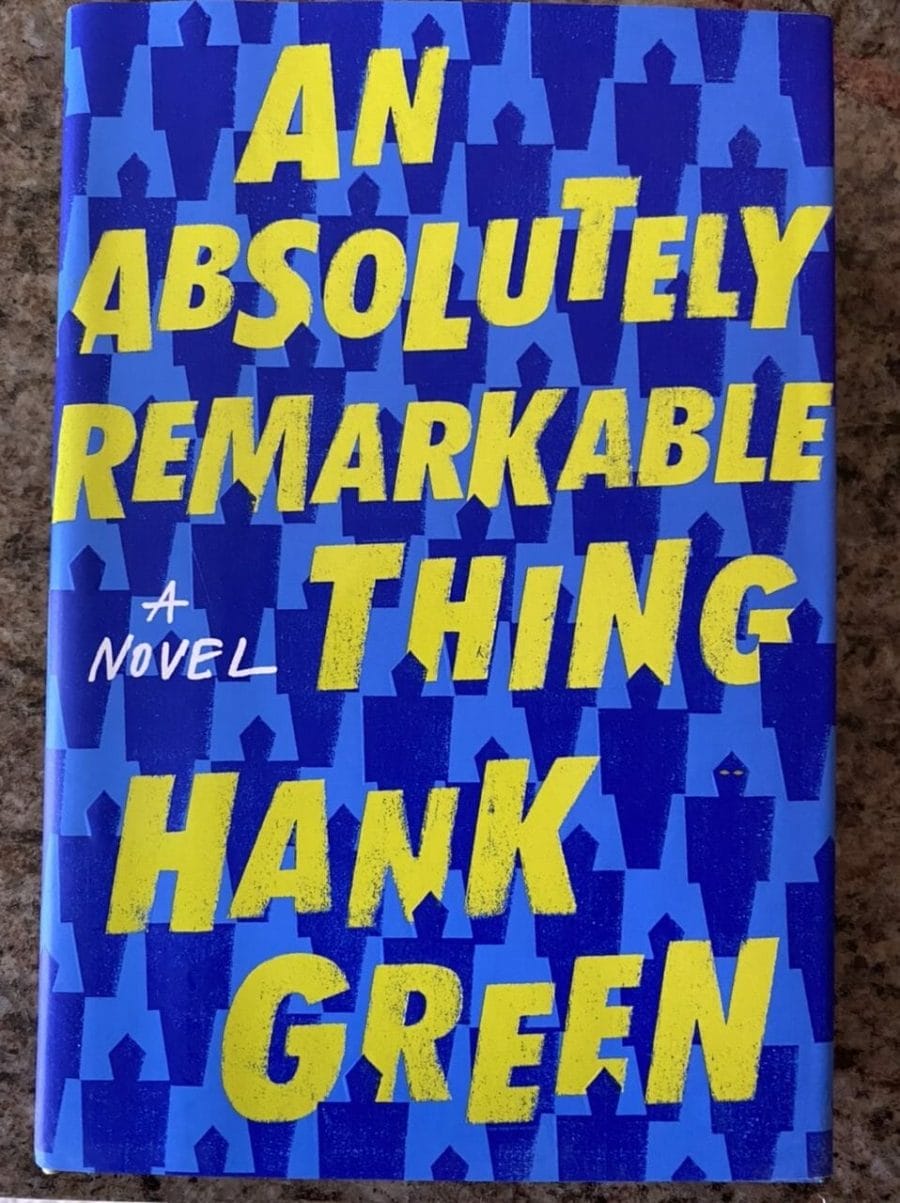
The Carls just appeared. Coming home from work at three a.m., twenty-three-year-old April May stumbles across a giant sculpture. Delighted by its appearance and craftsmanship–like a ten-foot-tall Transformer wearing a suit of samurai armor–April and her friend Andy make a video with it, which Andy uploads to YouTube. The next day April wakes up to a viral video and a new life. News quickly spreads that there are Carls in dozens of cities around the world–everywhere from Beijing to Buenos Aires–and April, as their first documentarian, finds herself at the center of an intense international media spotlight.
Now April has to deal with the pressure on her relationships, her identity, and her safety that this new position brings, all while being on the front lines of the quest to find out not just what the Carls are, but what they want from us.
Compulsively entertaining and powerfully relevant, An Absolutely Remarkable Thing grapples with big themes, including how the social internet is changing fame, rhetoric, and radicalization; how our culture deals with fear and uncertainty; and how vilification and adoration spring from the same dehumanization that follows a life in the public eye.
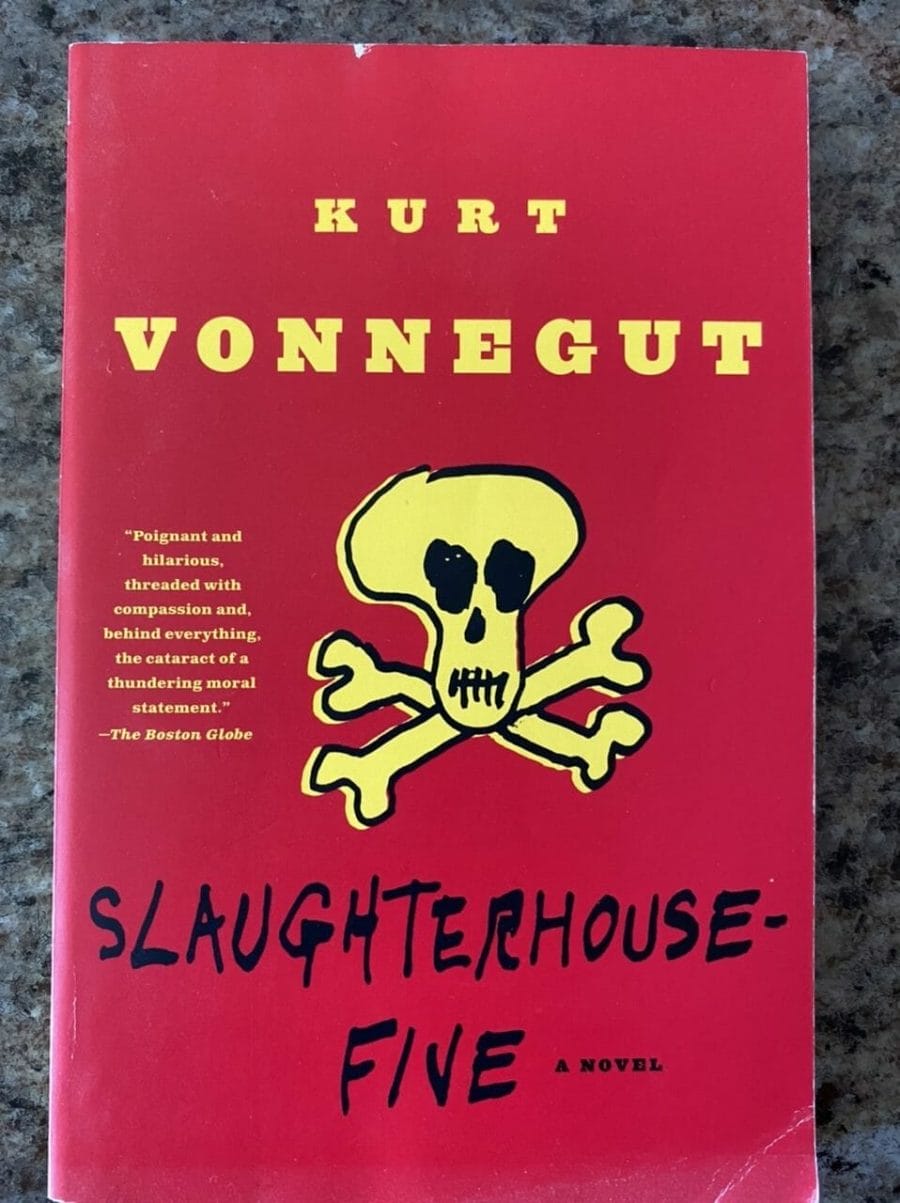
Selected by the Modern Library as one of the 100 best novels of all time, Slaughterhouse-Five, an American classic, is one of the world’s great antiwar books. Centering on the infamous firebombing of Dresden, Billy Pilgrim’s odyssey through time reflects the mythic journey of our own fractured lives as we search for meaning in what we fear most.
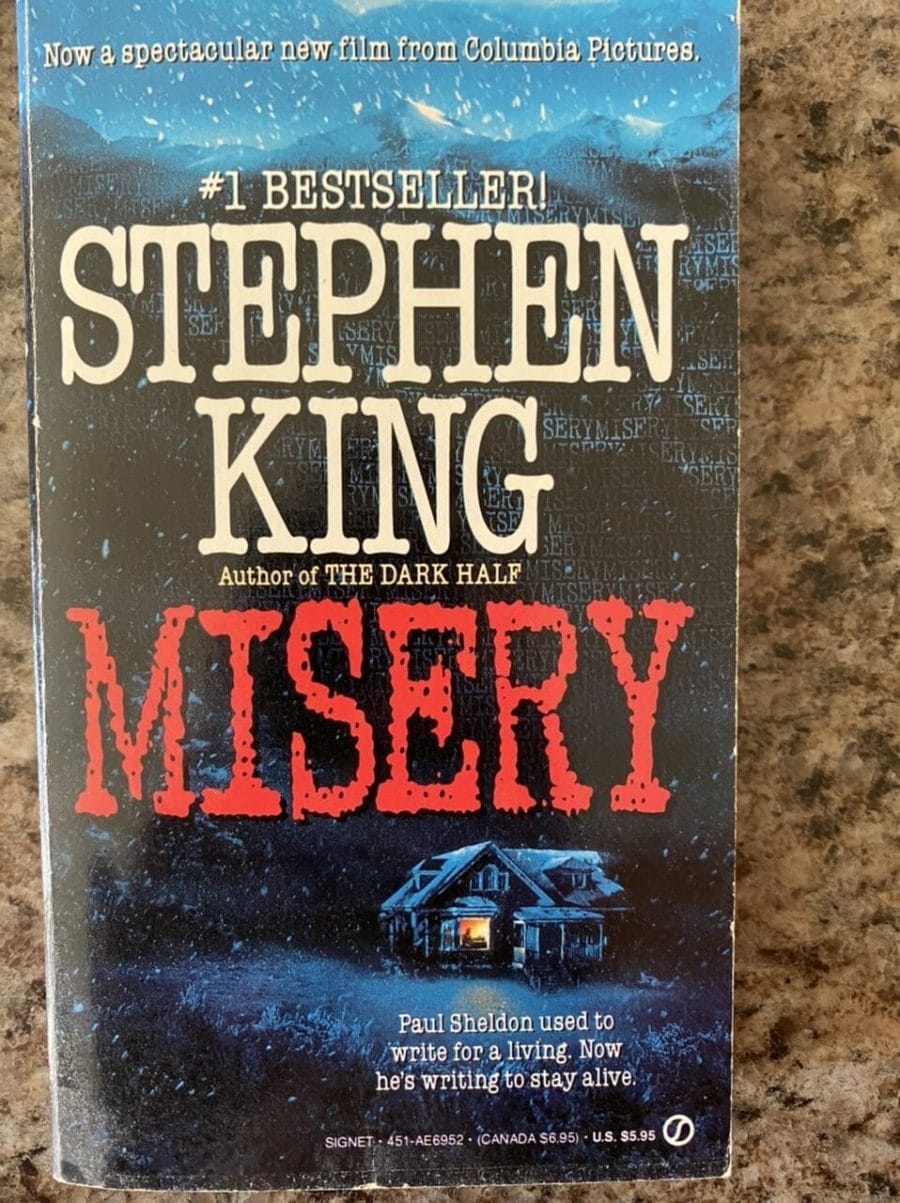
Paul Sheldon. He’s a bestselling novelist who has finally met his biggest fan. Her name is Annie Wilkes and she is more than a rabid reader–she is Paul’s nurse, tending his shattered body after an automobile accident. But she is also his captor, keeping him prisoner in her isolated house. Now Annie wants Paul to write his greatest work–just for her. She has a lot of ways to spur him on. One is a needle. Another is an ax. And if they don’t work, she can get really nasty…
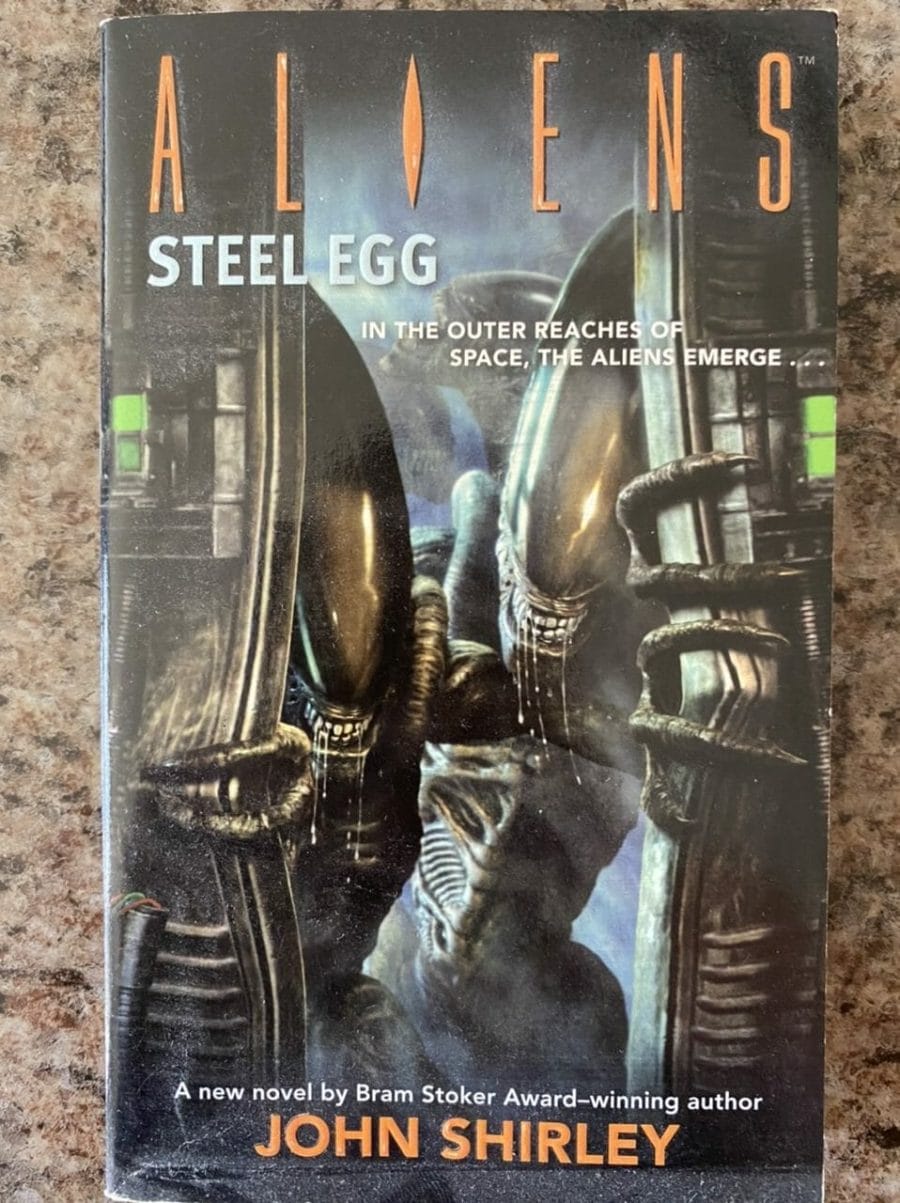
Before Ripley, there was a first encounter. Someone on Earth knew about the aliens. Someone battled them, and survived. Aliens and humans have fought before.
When a human spaceship discovers a vast egg-shaped vessel in Saturn’s orbit, they zero in to investigate the anomaly. They force their way aboard, finding evidence of an advanced civilization of peaceful creatures, now eradicated by an unknown foe. Three teams split up to explore the ship. But already the aliens have awoken. The first of all the battles unfold…
Best-selling writer John Shirley transports you to the origin of the nightmare, before humans knew what they were up against, or how low the odds for survival are.
Described as’Rock Book of the decade’ by the Guardian in London, this is the fascinating story of this number one- selling, award-winning UK band. Beginning with their childhoods in South Wales, Simon Price traces the lives of the band through their early days, the mysterious disappearance of their songwriter, Richey Edwards, and concluding with the release of their multi-platinum album “This is My Truth Tell Me Yours.” Classic photos, unseen rarities — including exclusive pictures from the band’s official photographer — and the most comprehensive “Manic Street Preachers” discography ever published, make this book unmissable. Has sold over 20,000 copies since its original publication in 1999 Written with the full co-operation of the band, their families, their friends and colleagues in the music industry.
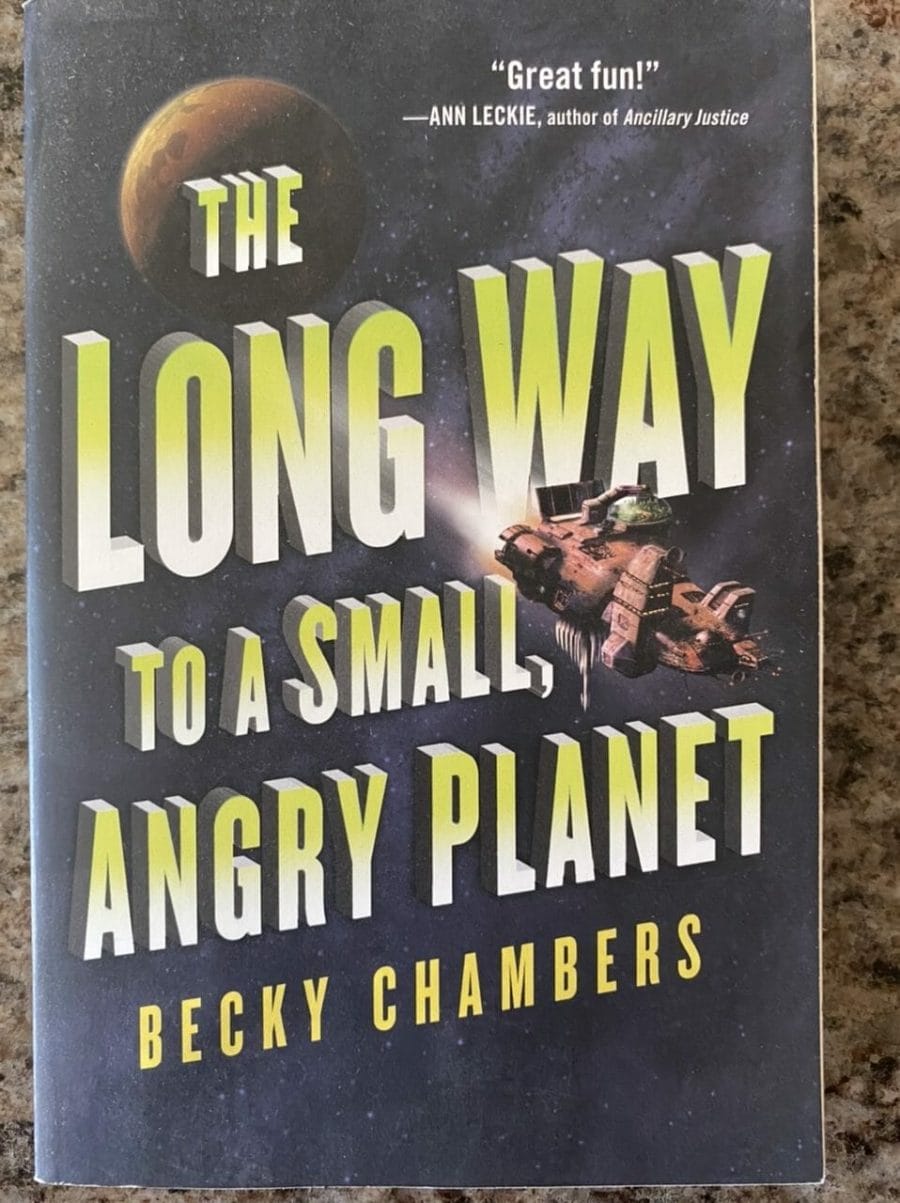
Follow a motley crew on an exciting journey through space—and one adventurous young explorer who discovers the meaning of family in the far reaches of the universe—in this light-hearted debut space opera from a rising sci-fi star.
Rosemary Harper doesn’t expect much when she joins the crew of the aging Wayfarer. While the patched-up ship has seen better days, it offers her a bed, a chance to explore the far-off corners of the galaxy, and most importantly, some distance from her past. An introspective young woman who learned early to keep to herself, she’s never met anyone remotely like the ship’s diverse crew, including Sissix, the exotic reptilian pilot, chatty engineers Kizzy and Jenks who keep the ship running, and Ashby, their noble captain.
Life aboard the Wayfarer is chaotic and crazy—exactly what Rosemary wants. It’s also about to get extremely dangerous when the crew is offered the job of a lifetime. Tunneling wormholes through space to a distant planet is definitely lucrative and will keep them comfortable for years. But risking her life wasn’t part of the plan. In the far reaches of deep space, the tiny Wayfarer crew will confront a host of unexpected mishaps and thrilling adventures that force them to depend on each other. To survive, Rosemary’s got to learn how to rely on this assortment of oddballs—an experience that teaches her about love and trust, and that having a family isn’t necessarily the worst thing in the universe.
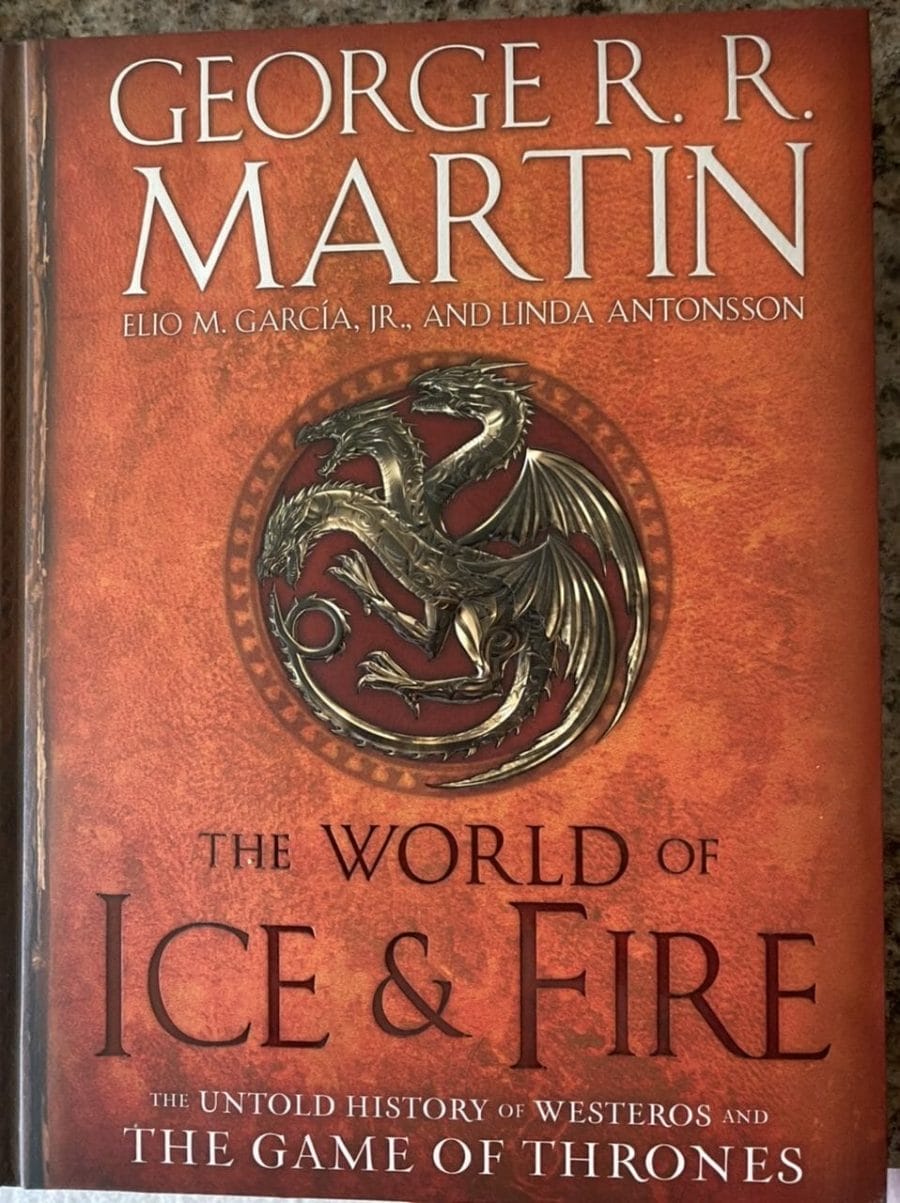
If the past is prologue, then George R. R. Martin’s masterwork—the most inventive and entertaining fantasy saga of our time—warrants one hell of an introduction. At long last, it has arrived with The World of Ice and Fire.
This lavishly illustrated volume isa comprehensive history of the Seven Kingdoms, providing vividly constructed accounts of the epic battles, bitter rivalries, and daring rebellions that lead to the events of A Song of Ice and Fire and HBO’s Game of Thrones. In a collaboration that’s been years in the making, Martin has teamed with Elio M. García, Jr., and Linda Antonsson, the founders of the renowned fan site Westeros.org—perhaps the only people who know this world almost as well as its visionary creator.
Collected here is all the accumulated knowledge, scholarly speculation, and inherited folk tales of maesters and septons, maegi and singers. It is a chronicle which stretches from the Dawn Age to the Age of Heroes; from the Coming of the First Men to the arrival of Aegon the Conqueror; from Aegon’s establishment of the Iron Throne to Robert’s Rebellion and the fall of the Mad King, Aerys II Targaryen, which has set into motion the “present-day” struggles of the Starks, Lannisters, Baratheons, and Targaryens. The definitive companion piece to George R. R. Martin’s dazzlingly conceived universe, The World of Ice and Fire is indeed proof that the pen is mightier than a storm of swords.
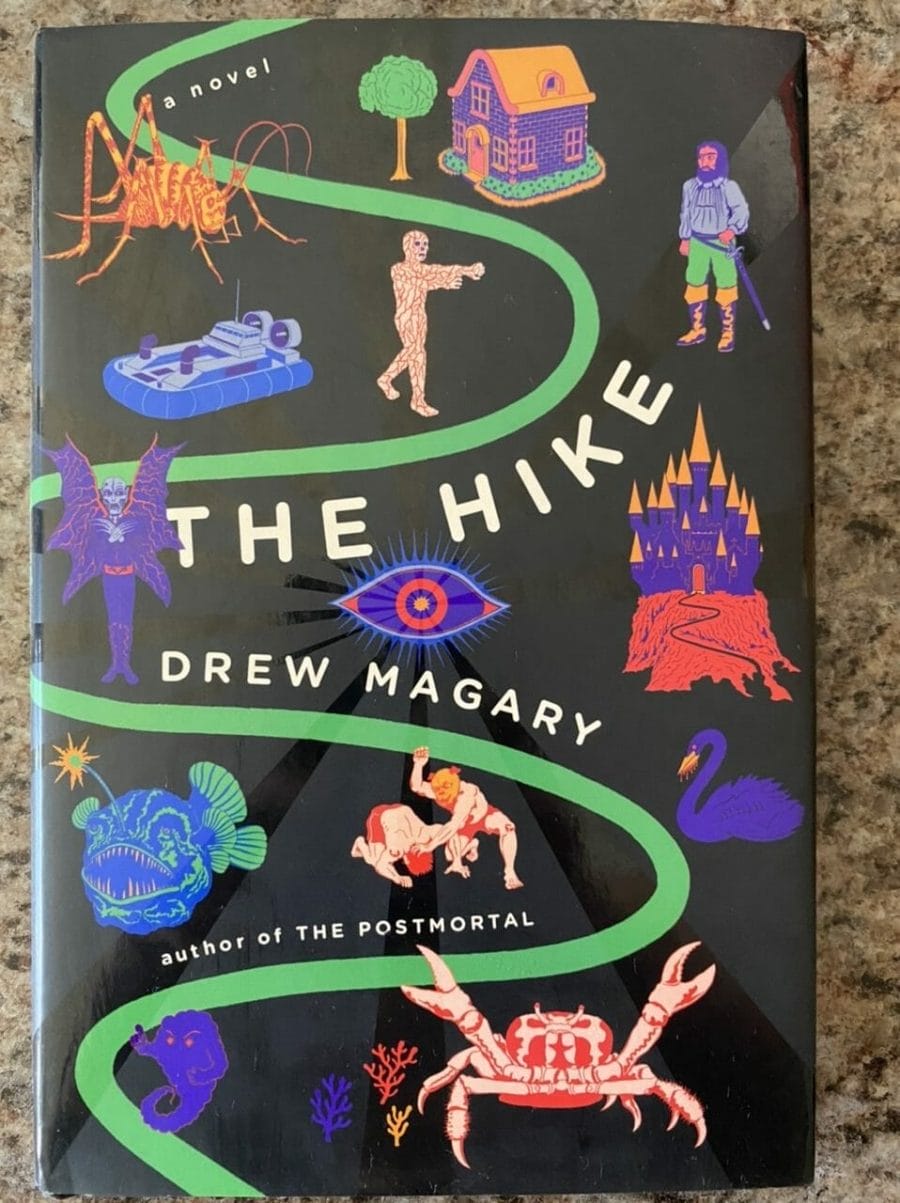
When Ben, a suburban family man, takes a business trip to rural Pennsylvania, he decides to spend the afternoon before his dinner meeting on a short hike. Once he sets out into the woods behind his hotel, he quickly comes to realize that the path he has chosen cannot be given up easily. With no choice but to move forward, Ben finds himself falling deeper and deeper into a world of man-eating giants, bizarre demons, and colossal insects.
On a quest of epic, life-or-death proportions, Ben finds help comes in some of the most unexpected forms, including a profane crustacean and a variety of magical objects, tools, and potions. Desperate to return to his family, Ben is determined to track down the “Producer,” the creator of the world in which he is being held hostage and the only one who can free him from the path.
At once bitingly funny and emotionally absorbing, Magary’s novel is a remarkably unique addition to the contemporary fantasy genre, one that draws as easily from the world of classic folk tales as it does from video games. In The Hike, Magary takes readers on a daring odyssey away from our day-to-day grind and transports them into an enthralling world propelled by heart, imagination, and survival.
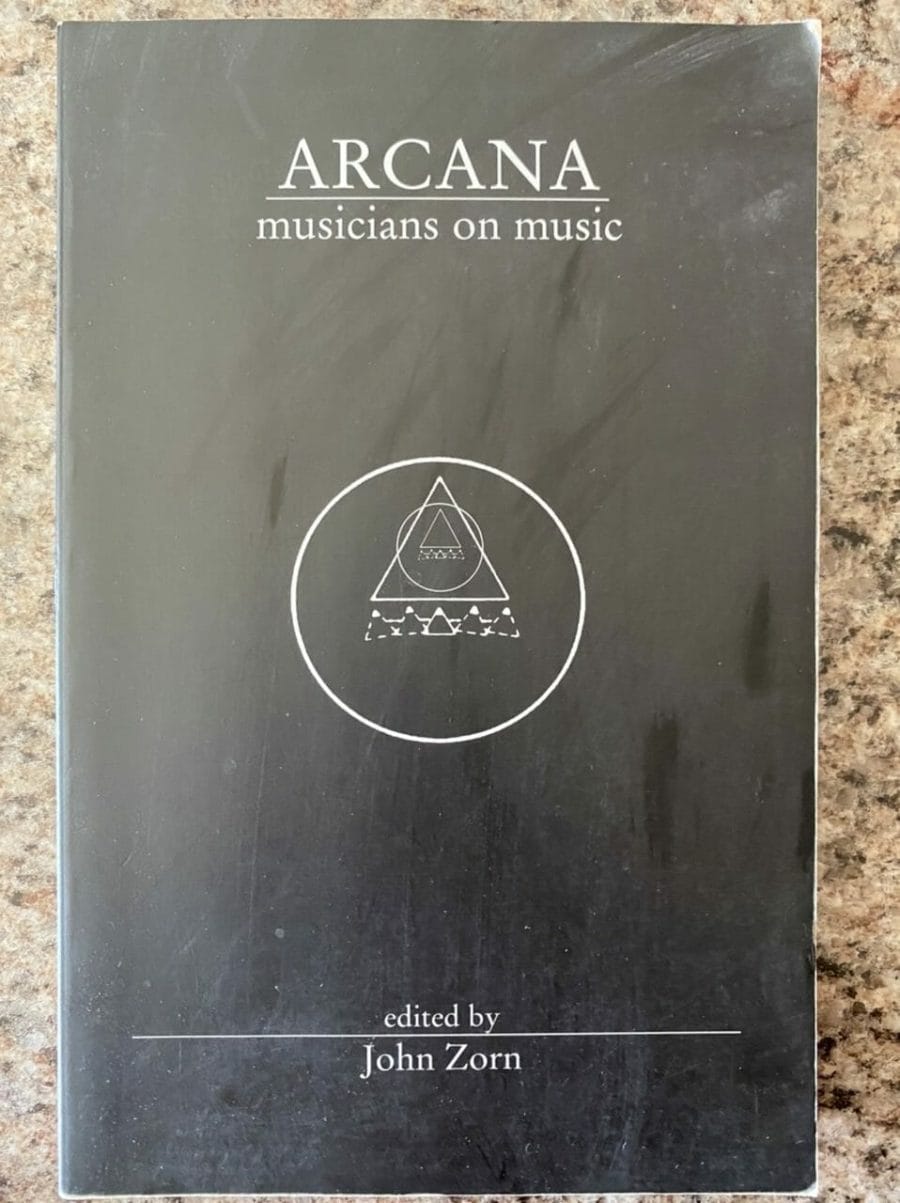
Cultural Writing. Music. Through manifestos, scores, interviews, notes and critical papers, contributors to this in-depth anthology address composing, playing, improvising, teaching, and thinking in and through music. Rather than attempting to distill or define musician’s work, ARCANA illuminates it with personal vision and experience.
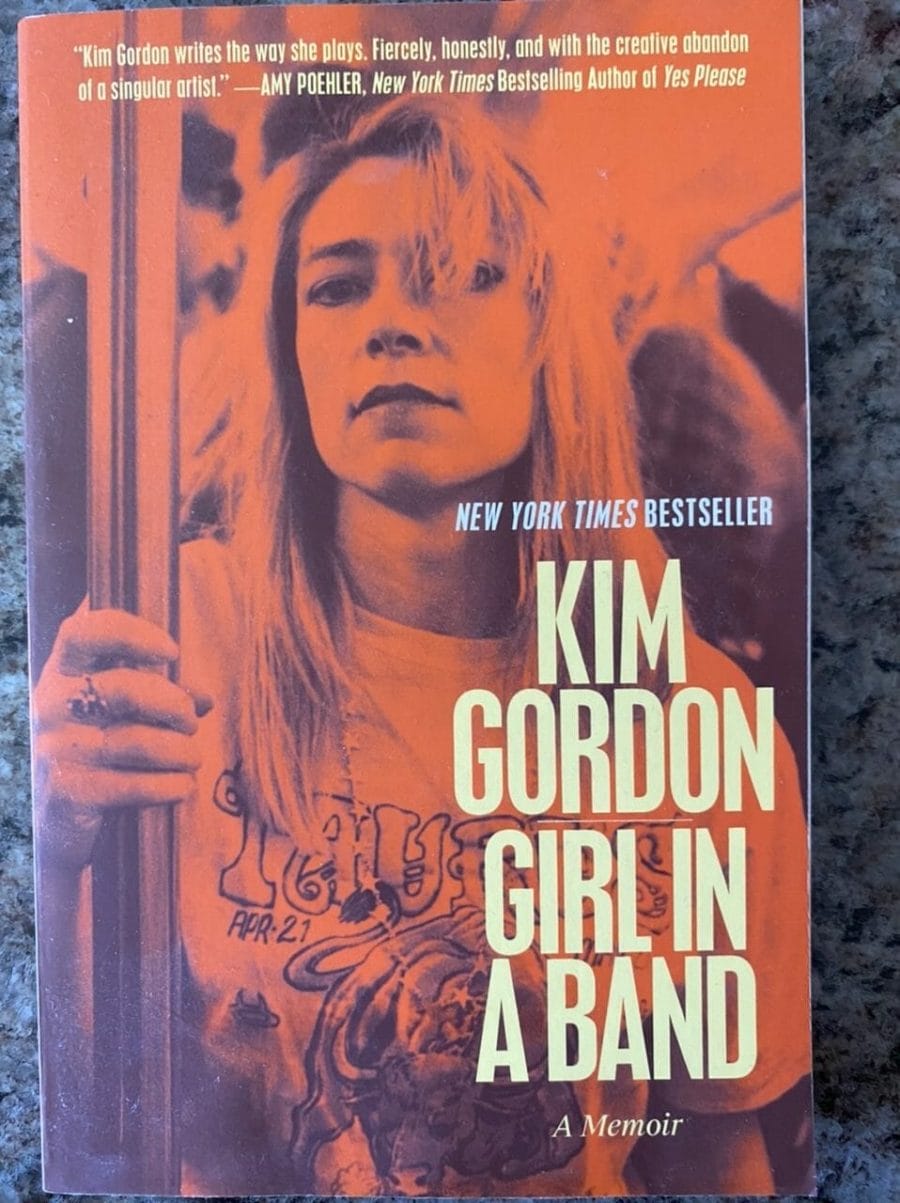
For many, Kim Gordon, vocalist, bassist and founding member of Sonic Youth, has always been the epitome of cool.
Sonic Youth is one of the most influential and successful bands to emerge from the post-punk New York scene, and their legacy continues to loom large over the landscape of indie rock and American pop culture. Almost as celebrated as the band’s defiantly dissonant sound was the marriage between Gordon and her husband, fellow Sonic Youth founder and lead guitarist Thurston Moore. So when Matador Records released a statement in the fall of 2011 announcing that—after twenty-seven years—the two were splitting, fans were devastated. In the middle of a crazy world, they’d seemed so solid.
What did this mean? What comes next? What came before?
In the New York Times bestselling memoir Girl in a Band, the famously reserved superstar speaks candidly about her past and the future. From her childhood in the sunbaked suburbs of Southern California, growing up with a mentally ill sibling who often sapped her family of emotional capital, to New York’s downtown art and music scene in the eighties and nineties and the birth of a band that would pave the way for acts like Nirvana, as well as help inspire the Riot Grrl generation, here is an edgy and evocative portrait of a life in art.
Exploring the artists, musicians, and writers who influenced Gordon, and the relationship that defined her life for so long, Girl in a Band is filled with the sights and sounds of a pre-Internet world and is a deeply personal portrait of a woman who has become an icon.
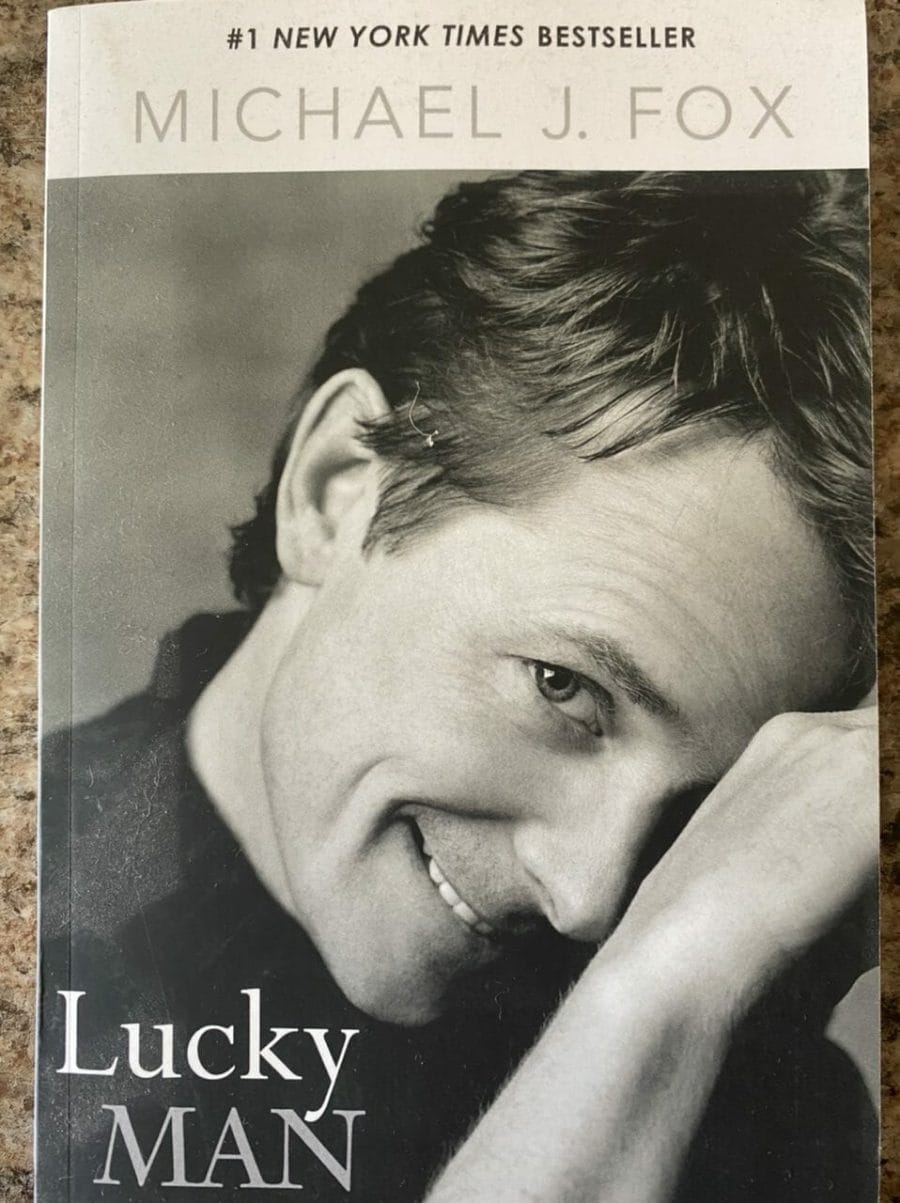
In September 1998, Michael J. Fox stunned the world by announcing he had been diagnosed with Parkinson’s disease — a degenerative neurological condition. In fact, he had been secretly fighting it for seven years. The worldwide response was staggering. Fortunately, he had accepted the diagnosis, and by the time the public started grieving for him, he had stopped grieving for himself. Now, with the same passion, humor, and energy, that Fox has invested in his dozens of performances over the last 18 years, he tells the story of his life, his career, and his campaign, to find a cure for Parkinson’s.
Combining his trademark ironic sensibility, and keen sense of the absurd, he recounts his life — from his childhood in a small town in western Canada, to his meteoric rise in film and television which made him a worldwide celebrity. Most importantly however, he writes of the last 10 years, during which — with the unswerving support of his wife, family, and friends — he has dealt with his illness. He talks about what Parkinson’s has given him: the chance to appreciate a wonderful life and career, and the opportunity to help search for a cure, and spread public awareness of the disease. He is a very lucky man, indeed.
One of the most dynamic groups of the ’70s and ’80s, Talking Heads, founded by drummer Chris Frantz, his girlfriend Tina Weymouth, and lead singer David Byrne, burst onto the music scene, playing at CBGBs, touring Europe with the Ramones, and creating hits like “Psycho Killer” and “Burning Down the House” that captured the post-baby boom generation’s intense, affectless style.
In Remain in Love, Frantz writes about the beginnings of Talking Heads–their days as art students in Providence, moving to the sparse Chrystie Street loft Frantz, Weymouth, and Byrne shared where the music that defined an era was written. With never-before-seen photos and immersive vivid detail, Frantz describes life on tour, down to the meals eaten and the clothes worn–and reveals the mechanics of a long and complicated working relationship with a mercurial frontman.
At the heart of Remain in Love is Frantz’s love for Weymouth: their once-in-a-lifetime connection as lovers, musicians, and bandmates, and how their creativity surged with the creation of their own band Tom Tom Club, bringing a fresh Afro-Caribbean beat to hits like “Genius of Love.”
Studded with memorable places and names from the era–Grace Jones, Andy Warhol, Stephen Sprouse, Lou Reed, Brian Eno, and Debbie Harry among them–Remain in Love is a frank and open memoir of an emblematic life in music and in love.
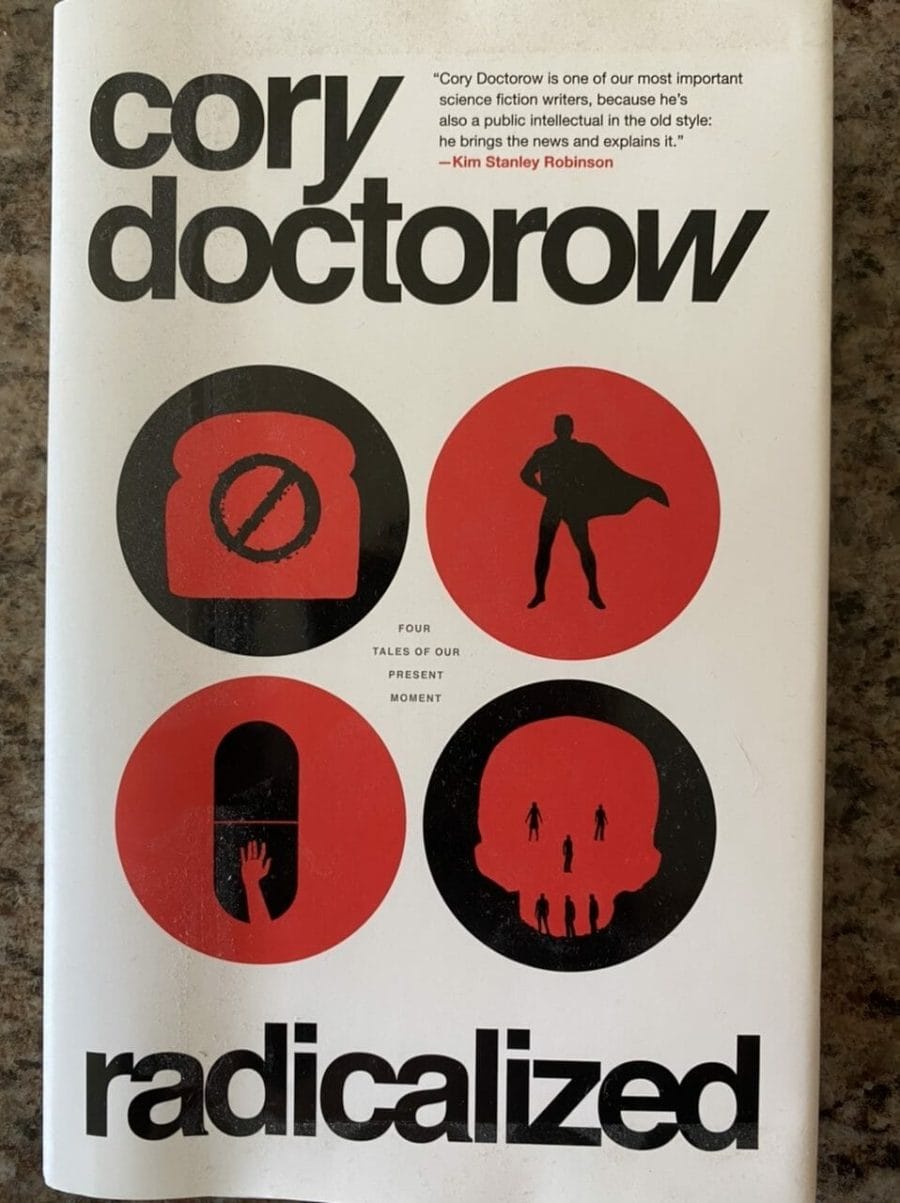
Told through one of the most on-pulse genre voices of our generation, Radicalized is a timely novel comprised of four SF novellas connected by social, technological, and economic visions of today and what America could be in the near, near future.
Unauthorized Bread is a tale of immigration, the toxicity of economic and technological stratification, and the young and downtrodden fighting against all odds to survive and prosper.
In Model Minority, a Superman-like figure attempts to rectifiy the corruption of the police forces he long erroneously thought protected the defenseless…only to find his efforts adversely affecting their victims.
Radicalized is a story of a darkweb-enforced violent uprising against insurance companies told from the perspective of a man desperate to secure funding for an experimental drug that could cure his wife’s terminal cancer.
The fourth story, Masque of the Red Death, harkens back to Doctorow’s Walkaway, taking on issues of survivalism versus community.
How Music Works is David Byrne’s incisive and enthusiastic look at the musical art form, from its very inceptions to the influences that shape it, whether acoustical, economic, social or technological. Utilizing his incomparable career and inspired collaborations with Talking Heads, Brian Eno, and many others, Byrne taps deeply into his lifetime of knowledge to explore the panoptic elements of music, how it shapes the human experience, and reveals the impetus behind how we create, consume, distribute, and enjoy the songs, symphonies, and rhythms that provide the backbeat of life. Byrne’s magnum opus uncovers ever-new and thrilling realizations about the redemptive liberation that music brings us all.
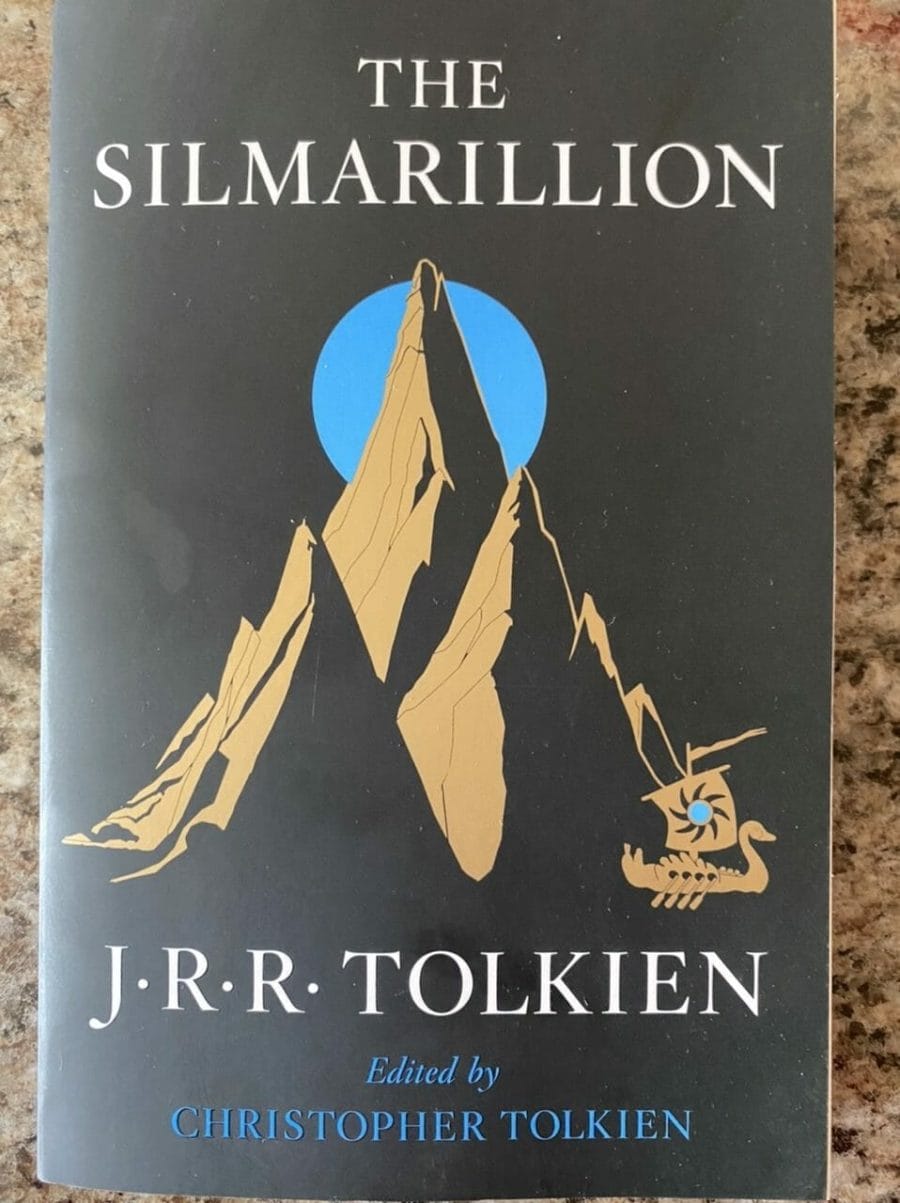
The story of the creation of the world and of the First Age, this is the ancient drama to which the characters in The Lord of the Rings look back and in whose events some of them, such as Elrond and Galadriel, took part. The three Silmarils were jewels created by Fëanor, most gifted of the Elves. Within them was imprisoned the Light of the Two Trees of Valinor before the Trees themselves were destroyed by Morgoth, the first Dark Lord. Thereafter, the unsullied Light of Valinor lived on only in the Silmarils, but they were seized by Morgoth and set in his crown, which was guarded in the impenetrable fortress of Angband in the north of Middle-earth. The Silmarillion is the history of the rebellion of Fëanor and his kindred against the gods, their exile from Valinor and return to Middle-earth, and their war, hopeless despite all their heroism, against the great Enemy.
What is new about how teenagers communicate through services such as Facebook, Twitter, and Instagram? Do social media affect the quality of teens’ lives? In this eye-opening book, youth culture and technology expert danah boyd uncovers some of the major myths regarding teens’ use of social media. She explores tropes about identity, privacy, safety, danger, and bullying. Ultimately, boyd argues that society fails young people when paternalism and protectionism hinder teenagers’ ability to become informed, thoughtful, and engaged citizens through their online interactions. Yet despite an environment of rampant fear-mongering, boyd finds that teens often find ways to engage and to develop a sense of identity.
Boyd’s conclusions are essential reading not only for parents, teachers, and others who work with teens but also for anyone interested in the impact of emerging technologies on society, culture, and commerce in years to come. Offering insights gleaned from more than a decade of original fieldwork interviewing teenagers across the United States, boyd concludes reassuringly that the kids are all right. At the same time, she acknowledges that coming to terms with life in a networked era is not easy or obvious. In a technologically mediated world, life is bound to be complicated.
The year was 2014. The year we cured cancer. The year we cured the common cold. And the year the dead started to walk. The year of the Rising.
The year was 2039. The world didn’t end when the zombies came, it just got worse. Georgia and Shaun Mason set out on the biggest story of their generation. They uncovered the biggest conspiracy since the Rising and realized that to tell the truth, sacrifices have to be made.
Now, the year is 2041, and the investigation that began with the election of President Ryman is much bigger than anyone had assumed. With too much left to do and not much time left to do it in, the surviving staff of After the End Times must face mad scientists, zombie bears, rogue government agencies-and if there’s one thing they know is true in post-zombie America, it’s this:
Things can always get worse.
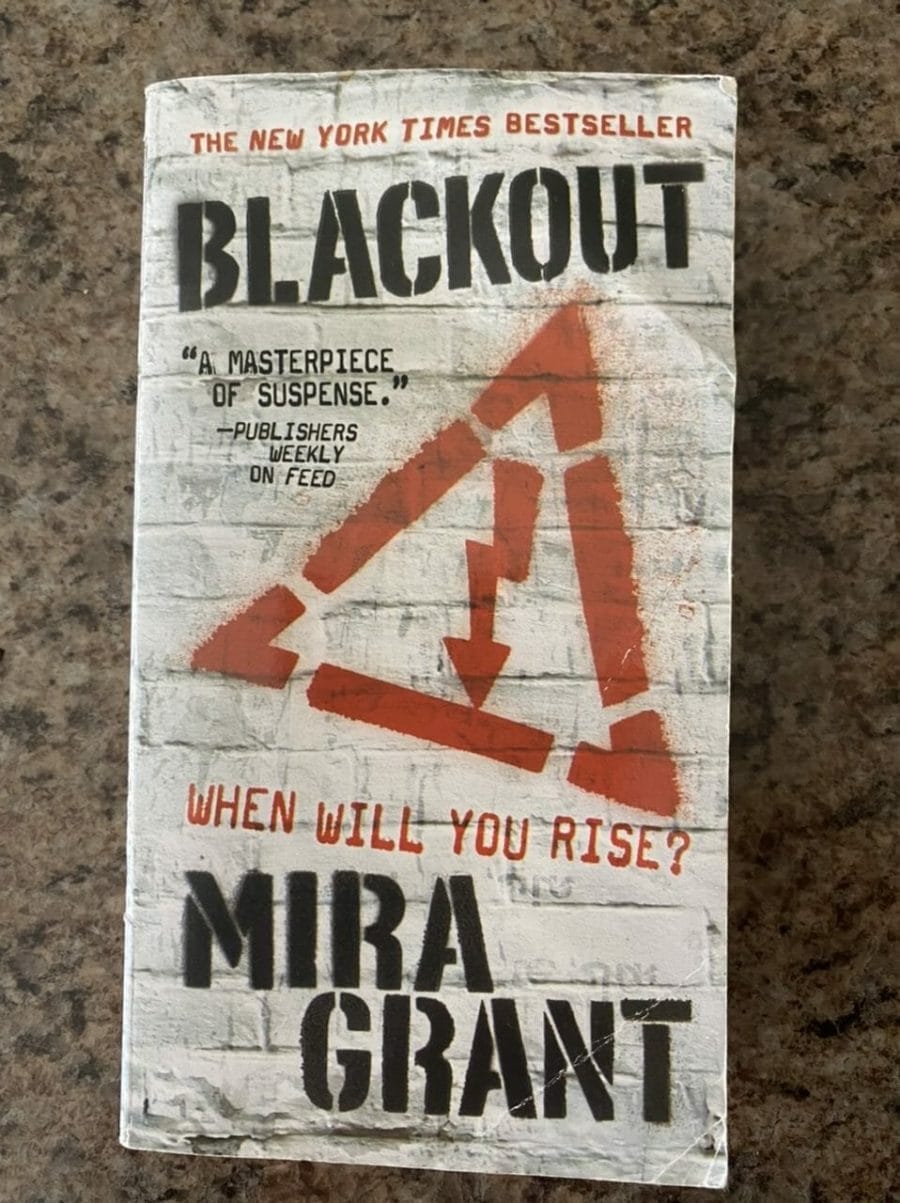
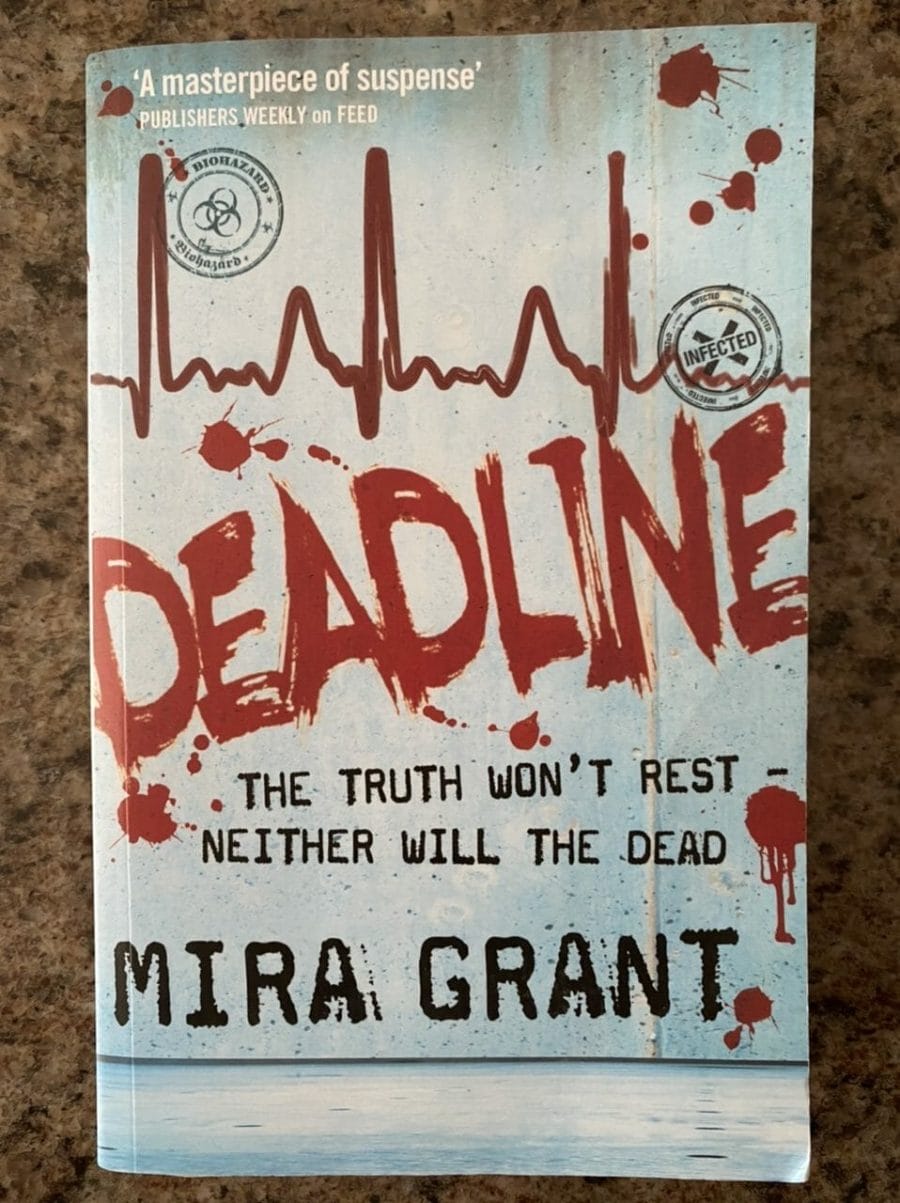
Blackout is the conclusion to the epic trilogy that began in the Hugo-nominated Feed and the sequel, Deadline.
Shaun Mason is a man without a mission. Not even running the news organization he built with his sister has the same urgency as it used to. Playing with dead things just doesn’t seem as fun when you’ve lost as much as he has.
But when a CDC researcher fakes her own death and appears on his doorstep with a ravenous pack of zombies in tow, Shaun has a newfound interest in life. Because she brings news-he may have put down the monster who attacked them, but the conspiracy is far from dead.
Now, Shaun hits the road to find what truth can be found at the end of a shotgun.
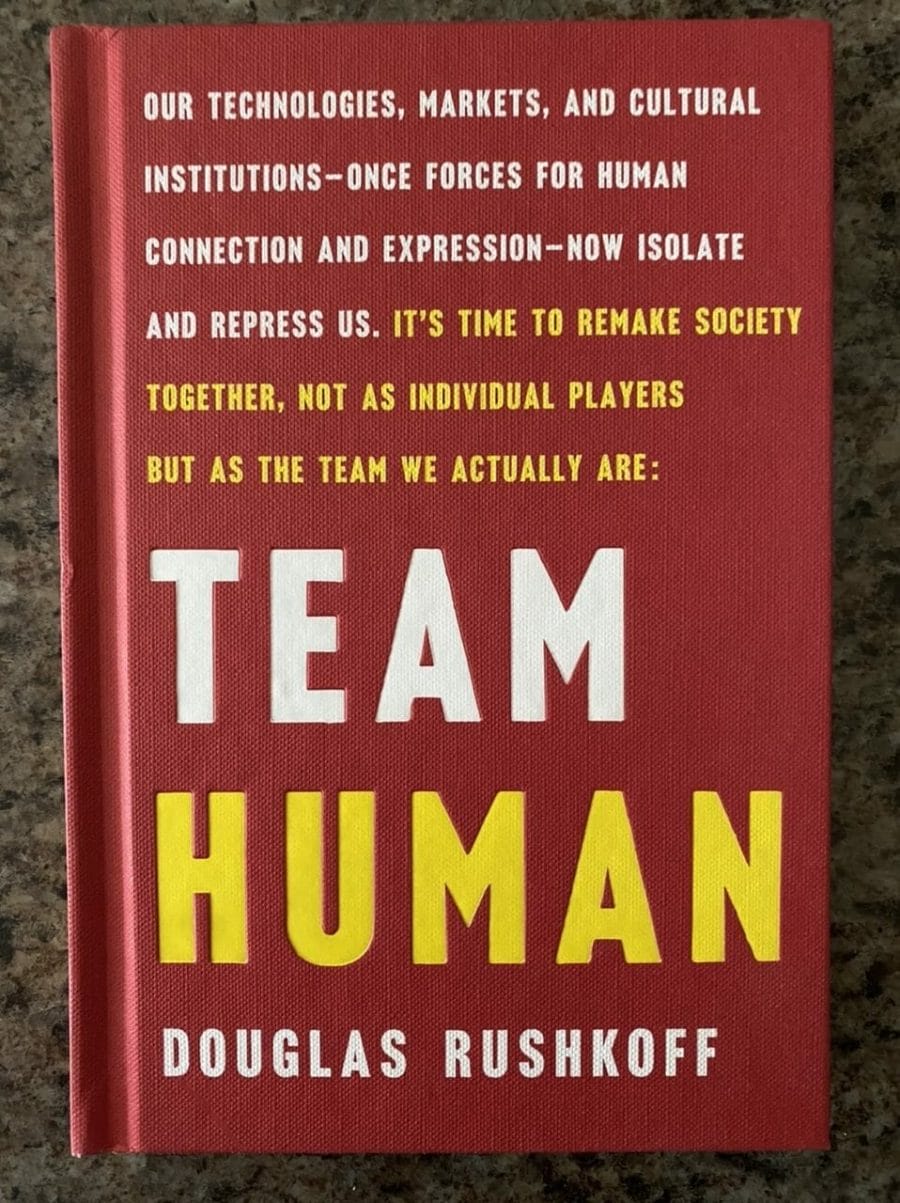
Team Human is a manifesto—a fiery distillation of preeminent digital theorist Douglas Rushkoff’s most urgent thoughts on civilization and human nature. In one hundred lean and incisive statements, he argues that we are essentially social creatures, and that we achieve our greatest aspirations when we work together—not as individuals. Yet today society is threatened by a vast antihuman infrastructure that undermines our ability to connect. Money, once a means of exchange, is now a means of exploitation; education, conceived as way to elevate the working class, has become another assembly line; and the internet has only further divided us into increasingly atomized and radicalized groups.
Team Human delivers a call to arms. If we are to resist and survive these destructive forces, we must recognize that being human is a team sport. In Rushkoff’s own words: “Being social may be the whole point.” Harnessing wide-ranging research on human evolution, biology, and psychology, Rushkoff shows that when we work together we realize greater happiness, productivity, and peace. If we can find the others who understand this fundamental truth and reassert our humanity—together—we can make the world a better place to be human.
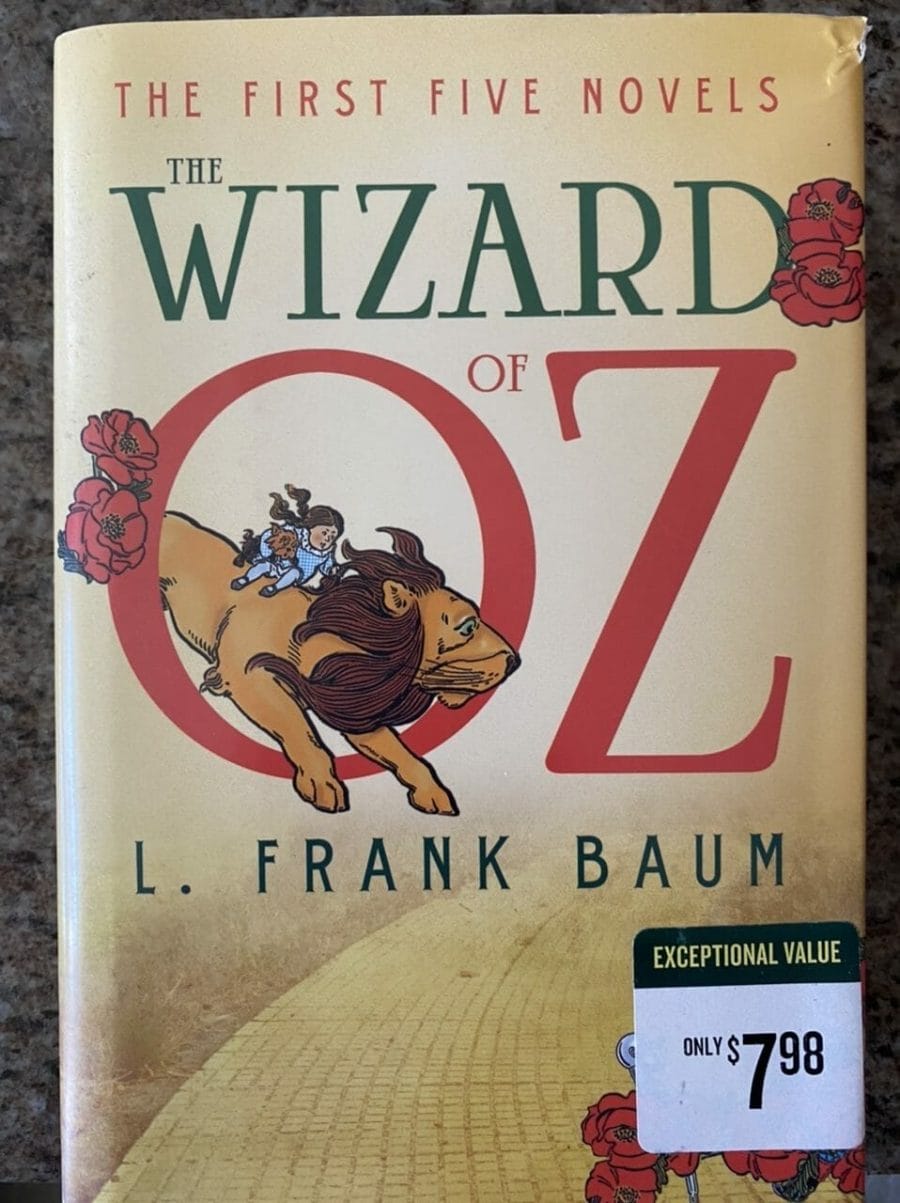
Oz, the Great Wizard! The very name of L. Frank Baum’s magical character conjures a world where diminutive munchkins live and work, wicked witches run riot, and the mighty Oz himself rules over an Emerald City reached by a yellow brick road. The Wizard of Oz: The First Five Novels is your passport to this marvelous realm and wonders that have enchanted readers young and old for more than a century. Lavishly illustrated by W. W. Denslow and John R. Neill, this volume includes: The Wonderful Wizard of Oz The Marvelous Land of Oz Ozma of Oz Dorothy and the Wizard in Oz The Road to Oz The Wizard of Oz: The First Five Novels is one of Barnes & Noble’s Collectible Editions classics. Each volume features authoritative texts by the world’s greatest authors in an exquisitely designed bonded-leather binding, with distinctive gilt edging and a silk-ribbon bookmark. Decorative, durable, and collectible, these books offer hours of pleasure to readers young and old and are an indispensable cornerstone for every home library.
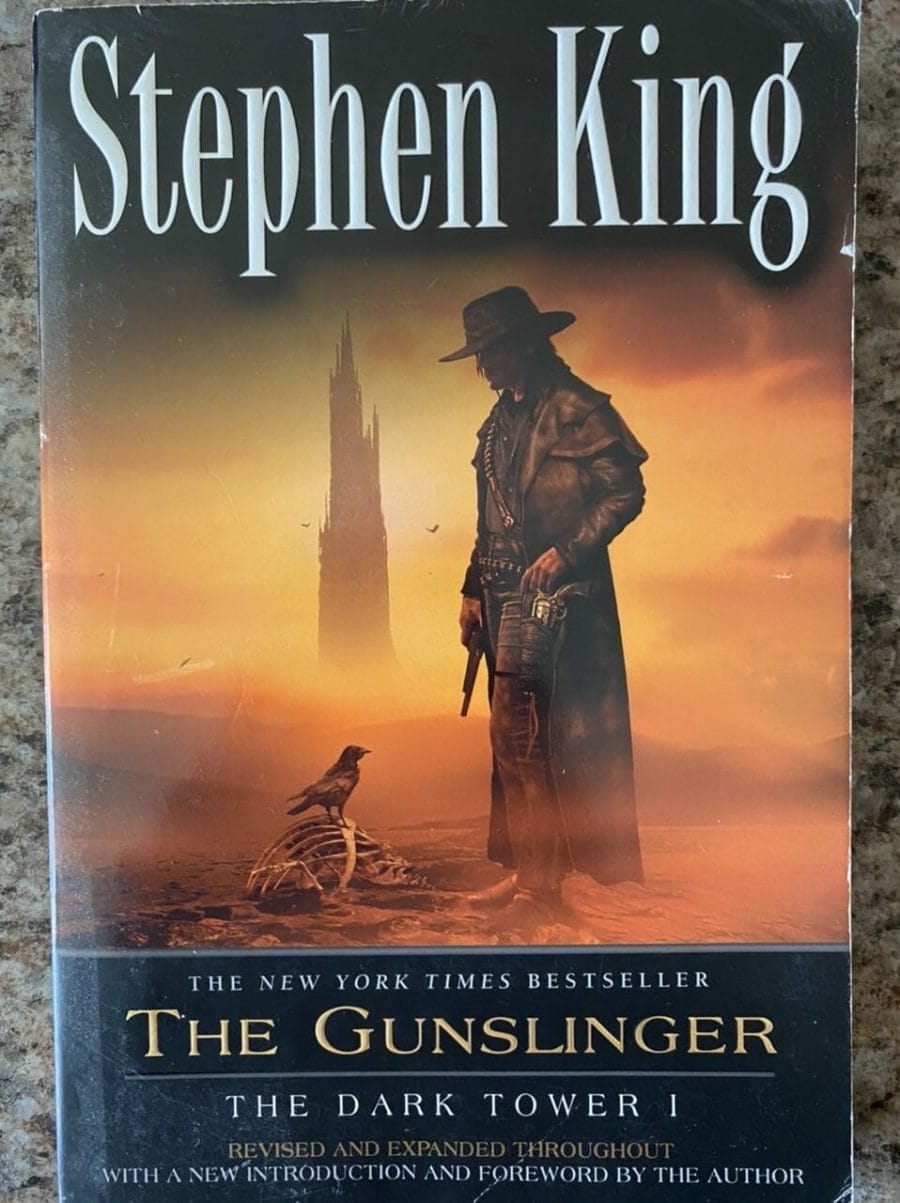
In the first book of this brilliant series, Stephen King introduces readers to one of his most enigmatic heroes, Roland of Gilead, The Last Gunslinger. He is a haunting figure, a loner on a spellbinding journey into good and evil. In his desolate world, which frighteningly mirrors our own, Roland pursues The Man in Black, encounters an alluring woman named Alice, and begins a friendship with the Kid from Earth called Jake. Both grippingly realistic and eerily dreamlike, The Gunslinger leaves readers eagerly awaiting the next chapter.
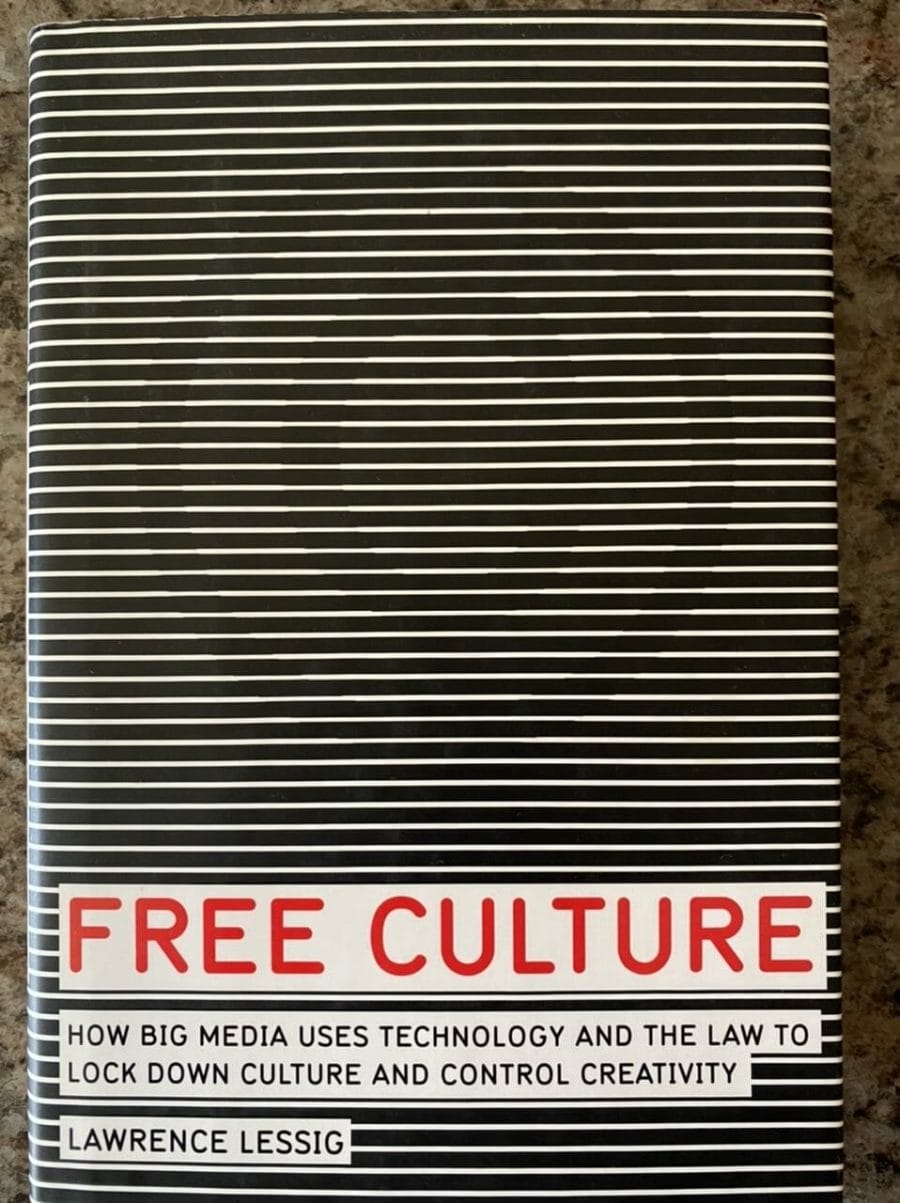
A new study on the social dimension of creativity examines the destruction of the larger public domain of ideas, assessing the creative and innovative repercussions of America’s long terms of copyright, as well as the impact of new technologies, big media, and cultural monopolies on our freedom to create, construct, and imagine.
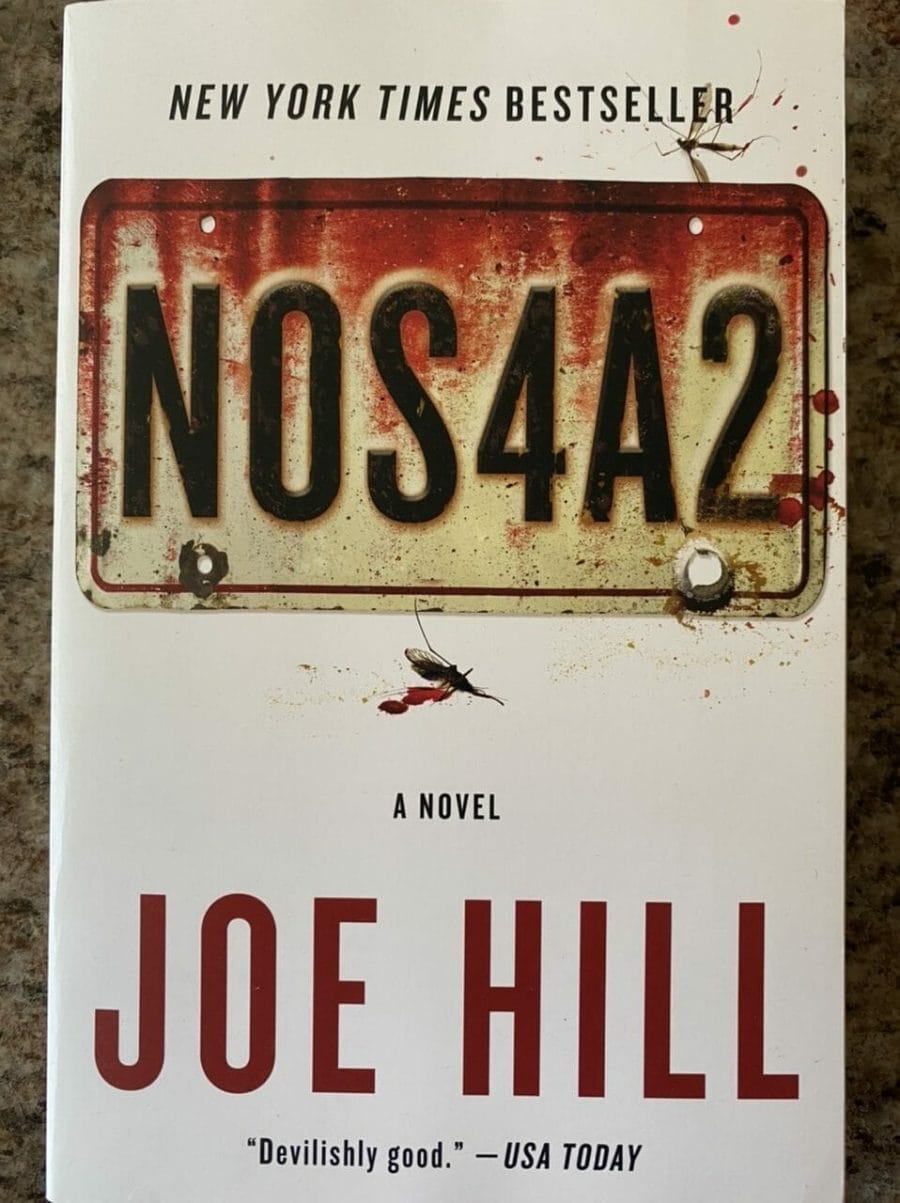
Victoria McQueen has a secret gift for finding things: a misplaced bracelet, a missing photograph, answers to unanswerable questions. On her Raleigh Tuff Burner bike, she makes her way to a rickety covered bridge that, within moments, takes her wherever she needs to go, whether it’s across Massachusetts or across the country.
Charles Talent Manx has a way with children. He likes to take them for rides in his 1938 Rolls-Royce Wraith with the NOS4A2 vanity plate. With his old car, he can slip right out of the everyday world, and onto the hidden roads that transport them to an astonishing – and terrifying – playground of amusements he calls “Christmasland.”
Then, one day, Vic goes looking for trouble—and finds Manx. That was a lifetime ago. Now Vic, the only kid to ever escape Manx’s unmitigated evil, is all grown up and desperate to forget. But Charlie Manx never stopped thinking about Victoria McQueen. He’s on the road again and he’s picked up a new passenger: Vic’s own son.